Planning Guides

Your Guide to the Filipino Wedding Entourage (Roles, Costs, & Tips!)

Curious about who's in a Filipino wedding entourage, their roles, and how to organize them? Your friendly ate planner is here to help!

CloudInvites· · 7 min read
Your Guide to the Filipino Wedding Entourage (Roles, Costs, & Tips!)
Ah, the entourage! It’s one of the most exciting (and sometimes overwhelming) parts of planning a Filipino wedding. You’re likely buzzing with excitement, thinking about all your loved ones who’ll stand by you on your big day. But then come the questions: Who should be included? What do they all do? How big is too big?
Don't worry, my loves! As your ate planner with years of experience, I’m here to walk you through the beautiful tradition of the Filipino wedding entourage, making it feel less like a chore and more like the joyful celebration it should be.
Navigating Your Filipino Wedding Entourage: Why It Matters
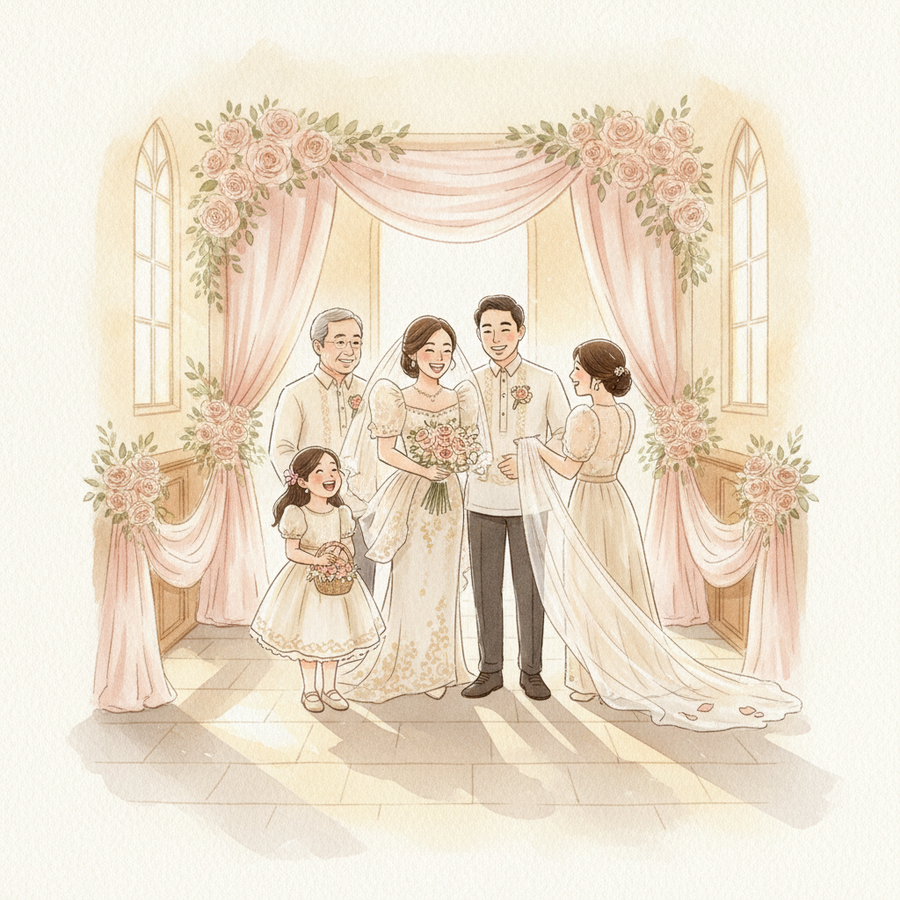
In the Philippines, our wedding entourage isn’t just a group of friends and family; they’re often seen as an extension of the couple’s support system, witnesses to their vows, and even spiritual mentors. Each role carries significance, adding layers of meaning to your ceremony.
From the solemn guidance of your Principal Sponsors to the youthful charm of your flower girls, every person contributes to the magic and memory of your wedding day. It’s a beautiful reflection of our close-knit family values and community spirit.
Planner's tip: Start drafting your entourage list early! It’s a fluid list, but having an initial idea will help you visualize your ceremony and even estimate some budget items like attire and gifts.
The Core of Tradition: Principal Sponsors (Ninong & Ninang)
Who Are They and What Do They Do?
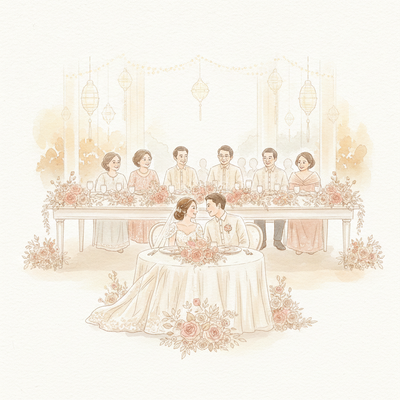
Your Principal Sponsors (or Ninong and Ninang) are perhaps the most significant members of your entourage, apart from your immediate family. Traditionally, they are respected elders or couples who embody successful marriages and lives, chosen to provide lifelong guidance and support to the newlyweds.
Their role during the ceremony is to act as official witnesses, signing your marriage contract, and offering prayers and blessings. Beyond the wedding day, they are meant to be a source of wisdom, advice, and encouragement as you navigate married life.
How Many & Who Traditionally Pays?
There's no strict rule on the number, but Filipino weddings often have between 6 to 12 pairs, sometimes even more! It truly depends on your family and social circles. It's a lovely way to honor important figures in your lives.
Traditionally, Ninongs and Ninangs were expected to contribute financially, often giving significant gifts or even helping with wedding expenses. While this generosity is still deeply appreciated, modern couples often prioritize their sponsors' presence and moral support over monetary contributions. Many couples now opt to cover their sponsors' attire or gifts as a sign of respect and gratitude.
Dear Tito/Tita [Name], we’re so excited to be planning our wedding on [Date]! You’ve always been such an inspiration to us, and it would mean the world if you’d stand as our Ninong/Ninang and witness our union. Your guidance and blessing are so important to us as we start this new chapter. We'd love to treat you to coffee soon to chat more!
Essential Roles: Secondary Sponsors & Bearers
Secondary Sponsors: Candle, Veil, & Cord
These roles are deeply symbolic, representing the spiritual aspects of your union:
  • Candle Sponsors: Usually a pair, they light the two side candles on the altar. The light symbolizes the light of Christ and the couple's individual lives. Later, the couple uses these flames to light a single unity candle, signifying their becoming one in marriage.
  • Veil Sponsors: Another pair, they drape a white veil over the bride's head and the groom's shoulders. This symbolizes purity, modesty, and the couple being clothed as one.
  • Cord Sponsors: This pair places an infinity-shaped cord (often a rosary or an ornate rope) over the veiled couple, forming a figure-eight. This signifies their eternal bond and union.
Secondary sponsors are typically close friends or younger relatives, often unmarried. Traditionally, they cover their own attire, though thoughtful couples might offer to help, especially if a specific outfit is required.
Bearers: Ring, Coin (Arrhae), & Bible
These charming little ones (or sometimes young adults) carry the sacred elements of the ceremony:
  • Ring Bearer: Carries the wedding rings, symbolizing the couple's everlasting commitment.
  • Coin Bearer (Arrhae): Carries the 13 unity coins (arrhae), representing the groom's promise to support his wife and their future children, and the bride's commitment to manage household finances wisely.
  • Bible Bearer: Carries the Bible, symbolizing God's word as the foundation of their marriage.
Bearers are usually young children (cousins, nieces, nephews) who add an adorable touch to the procession. Their parents typically handle their attire, but again, offering to cover it or provide a small gift is a thoughtful gesture.
Good to know: For smaller, more intimate weddings, it's perfectly acceptable to combine some secondary sponsor roles. For example, one pair can be both Veil and Cord sponsors, or you can have fewer pairs overall.
Your Support Squad: Bridal Party & Flower Girls
Maid of Honor / Best Man
Your absolute ride-or-dies! The Maid of Honor (or Matron of Honor if married) and Best Man are typically your closest sibling or friend. They are your primary support system, handling pre-wedding duties like planning the bridal shower or bachelor party, assisting on the wedding day, and being legal witnesses to your marriage.
Bridesmaids & Groomsmen
These are your chosen besties, siblings, or cousins who stand by your side. They offer emotional support, help with wedding preparations, and usually participate in pre-wedding celebrations. The number can vary wildly, from a few close friends to a large group. They traditionally cover their own attire, but many couples provide guidelines or even fabric to ensure a cohesive look.
Flower Girls
Sweet, innocent, and oh-so-cute! Flower girls usually walk down the aisle before the bride, scattering petals. They add a touch of whimsy and charm to the ceremony. Their age can range from toddlers to pre-teens.
Your entourage isn’t just about filling roles; it’s about surrounding yourselves with the love, support, and blessings of those who truly matter.— CloudInvites

Crafting Your Entourage List: Size, Grace & Budget
How Big Should Your Entourage Be?
This is where tradition meets modern practicality. Filipino weddings are famous for their large entourages, reflecting our collective culture. However, a huge entourage isn’t mandatory! Consider these factors:
  • Venue Size: Can your church aisle or reception stage comfortably fit everyone?
  • Budget: More people mean more costs for things like gifts, food, hair and makeup, and sometimes even transportation or attire.
  • Personal Preference: Do you envision an intimate affair or a grand celebration?
Trimming Your List Gracefully
It's okay to have a smaller, more curated entourage! If you're looking to trim down your list without hurting feelings, here are some tips:
  1. Focus on Core Roles: Prioritize your absolute closest family and friends for the main roles.
  2. Be Honest (and Kind!): You can explain that you're aiming for a more intimate ceremony due to budget or venue constraints.
  3. Offer Other Ways to Participate: Ask others to do a reading, sing a song, or be an usher. This still makes them feel special and involved.
  4. Have a 'No Children' Rule: If budget is tight, limiting children to just the essential bearers can save on costs for attire and gifts.
Watch out: An often-overlooked cost is the per-person expense. Attire alone can range from ₱5,000–₱20,000+ per person (for ready-to-wear to custom pieces), not including hair & makeup, accessories, or gifts. These add up quickly!
When it comes to your wedding entourage, quality of relationships always trumps quantity of people.Click to tweet
Sample Filipino Wedding Entourage List (Copy-Ready!)
Here’s a template you can use to start building your own entourage list. Just fill in the names!
  1. Principal Sponsors:
    (List 6-12 pairs or more)
    Tito [Name] & Tita [Name]
    Tito [Name] & Tita [Name]
    ...
  2. Best Man: [Name]
  3. Maid of Honor: [Name]
  4. Groomsmen:
    [Name]
    [Name]
    ...
  5. Bridesmaids:
    [Name]
    [Name]
    ...
  6. Secondary Sponsors:
    Candle: [Name] & [Name]
    Veil: [Name] & [Name]
    Cord: [Name] & [Name]
  7. Bearers:
    Ring Bearer: [Name]
    Coin Bearer (Arrhae): [Name]
    Bible Bearer: [Name]
  8. Flower Girls:
    [Name]
    [Name]
    ...
Keeping Everyone Organized & In the Loop
Once you’ve finalized your entourage, clear communication is key! Make sure everyone knows their role, what’s expected of them (attire, presence at rehearsals, etc.), and the wedding day schedule.
Create a group chat, send out a detailed email, or even use a wedding website to share all the important information. Your entourage will appreciate being kept informed and feeling truly valued.
Avoid this: Last-minute instructions or unclear expectations! This can lead to stress for you and your entourage. Give them ample time to prepare and ask questions.
Managing your entourage, sending invitations, and tracking RSVPs for all these important people can feel like a big task. That's where tools like CloudInvites come in handy, allowing you to build and manage all these details in one seamless platform.
In a Nutshell: Your Entourage Essentials
  • Principal Sponsors: Lifelong mentors, sign marriage contract.
  • Secondary Sponsors (Candle, Veil, Cord): Symbolize spiritual unity.
  • Bearers (Ring, Arrhae, Bible): Often children, carry sacred items.
  • Bridal Party (MoH/Best Man, Bridesmaids/Groomsmen): Your emotional and practical support system.
  • Flower Girls: Add charm and innocence.
  • Size & Budget: Balance tradition with practicality; communicate clearly.
  • Organization: Keep everyone informed with clear expectations and schedules.

Frequently asked questions

What's the main role of our Ninong and Ninang in a Filipino wedding? +

Your Principal Sponsors are respected elders chosen to be lifelong mentors, offering guidance and support. During the ceremony, they act as official witnesses, sign your marriage contract, and offer blessings for your union.

How many Principal Sponsors should we invite, and do we cover their expenses? +

While there's no strict rule, Filipino weddings often have 6-12 pairs or more, honoring important figures. Traditionally, sponsors contributed financially, but modern couples often prioritize their presence and moral support, sometimes covering their attire or gifts as a gesture of gratitude.

What are the specific roles of the Candle, Veil, and Cord Sponsors? +

These Secondary Sponsors perform symbolic rituals: Candle Sponsors light candles representing individual lives uniting, Veil Sponsors drape a veil signifying purity and unity, and Cord Sponsors place an infinity-shaped cord for an eternal bond.

What do the Ring, Coin, and Bible Bearers do during the ceremony? +

The Ring Bearer carries your rings, symbolizing commitment. The Coin Bearer carries 13 arrhae for prosperity and financial wisdom, and the Bible Bearer brings the Bible, representing God's word as the foundation of your marriage.

Is it okay to have a smaller wedding entourage, or should it be large? +

While Filipino weddings are known for large entourages, it's perfectly fine to have a smaller, more curated group. Consider your venue size, budget for gifts and attire, and your personal preference for an intimate or grand celebration.
Share this article 𝕏 f in